Rethink remote places
Smoties
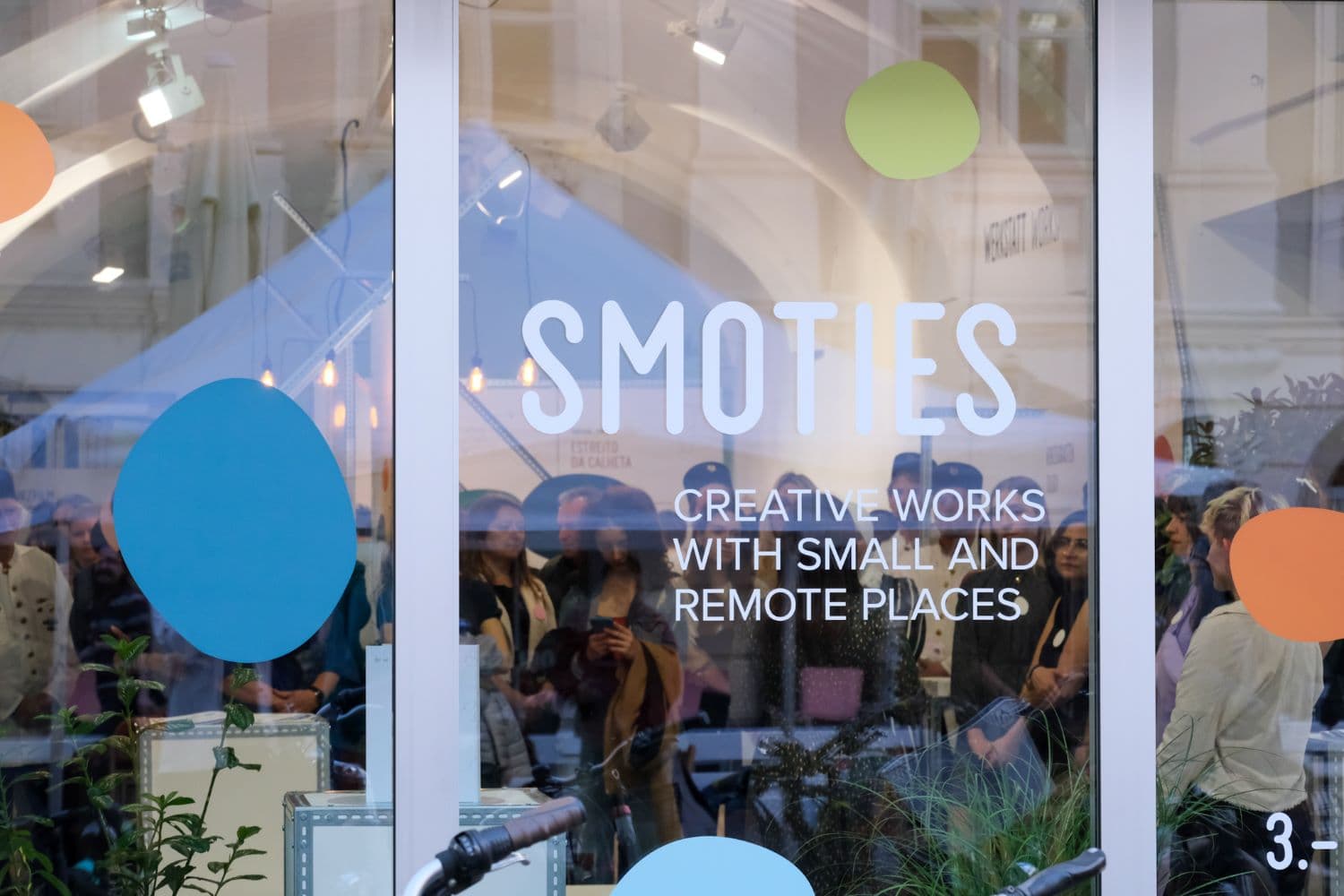
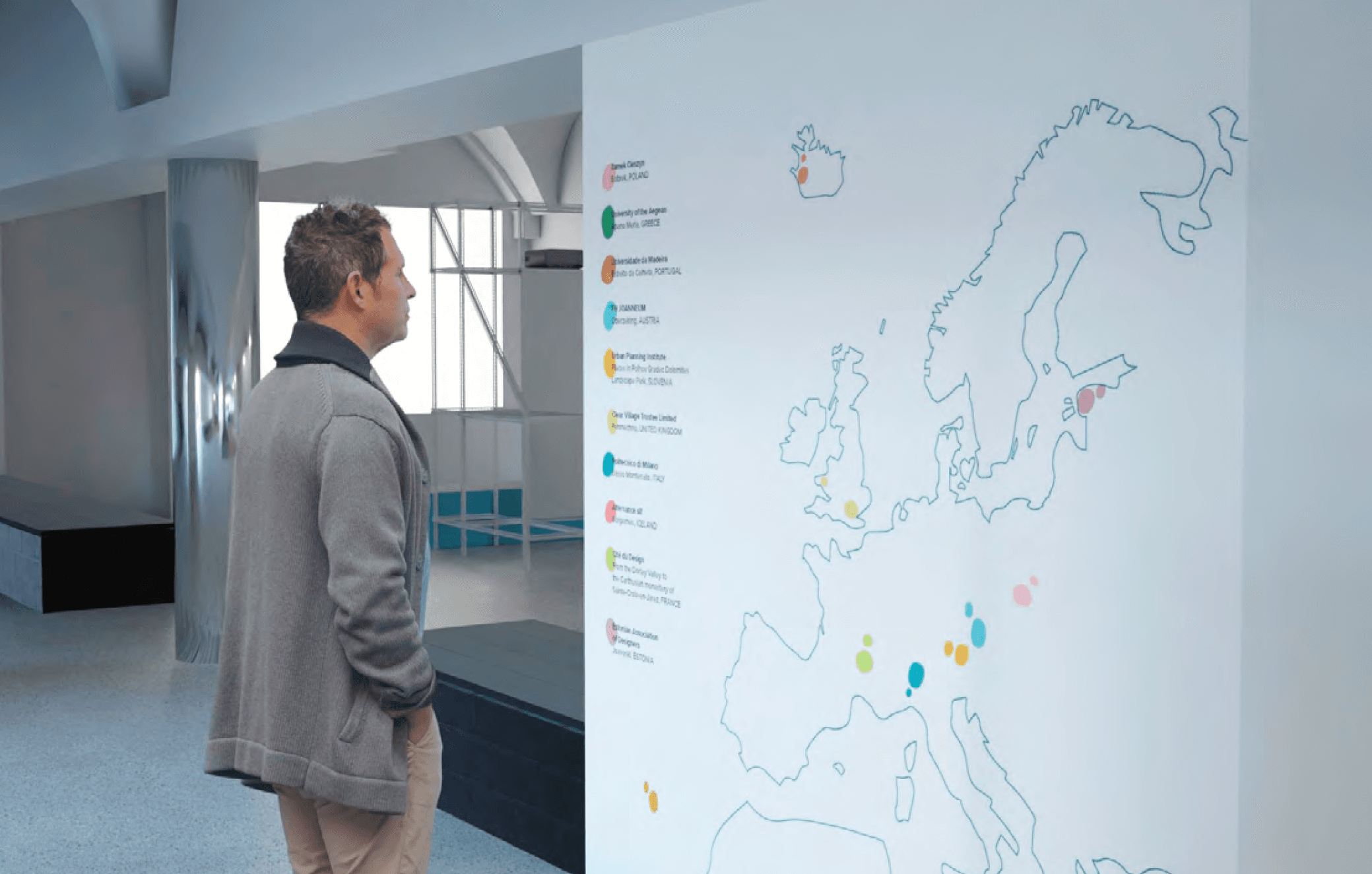
The SMOTIES network is a partnership of ten design universities, research centres and creative agencies. Each partner selected a small and remote place in their country to benefit from the design of cultural regenerations within public space.
Role
Designer
Date
2024
Team
Anna Brodmann, Katharina Betz, Annabel Schipper, Anne Eichelbrönner, Yola Moschitz, Nadja Troscheit, Michelle Benthin, Taranom Sedghi, Maria Puzzo, Sara Abou El-Fadl, Josephine Brunner, Mia Funk, Magdalena Höchtl, Foroozan Bitarafhaghighi
About
Project Smoties
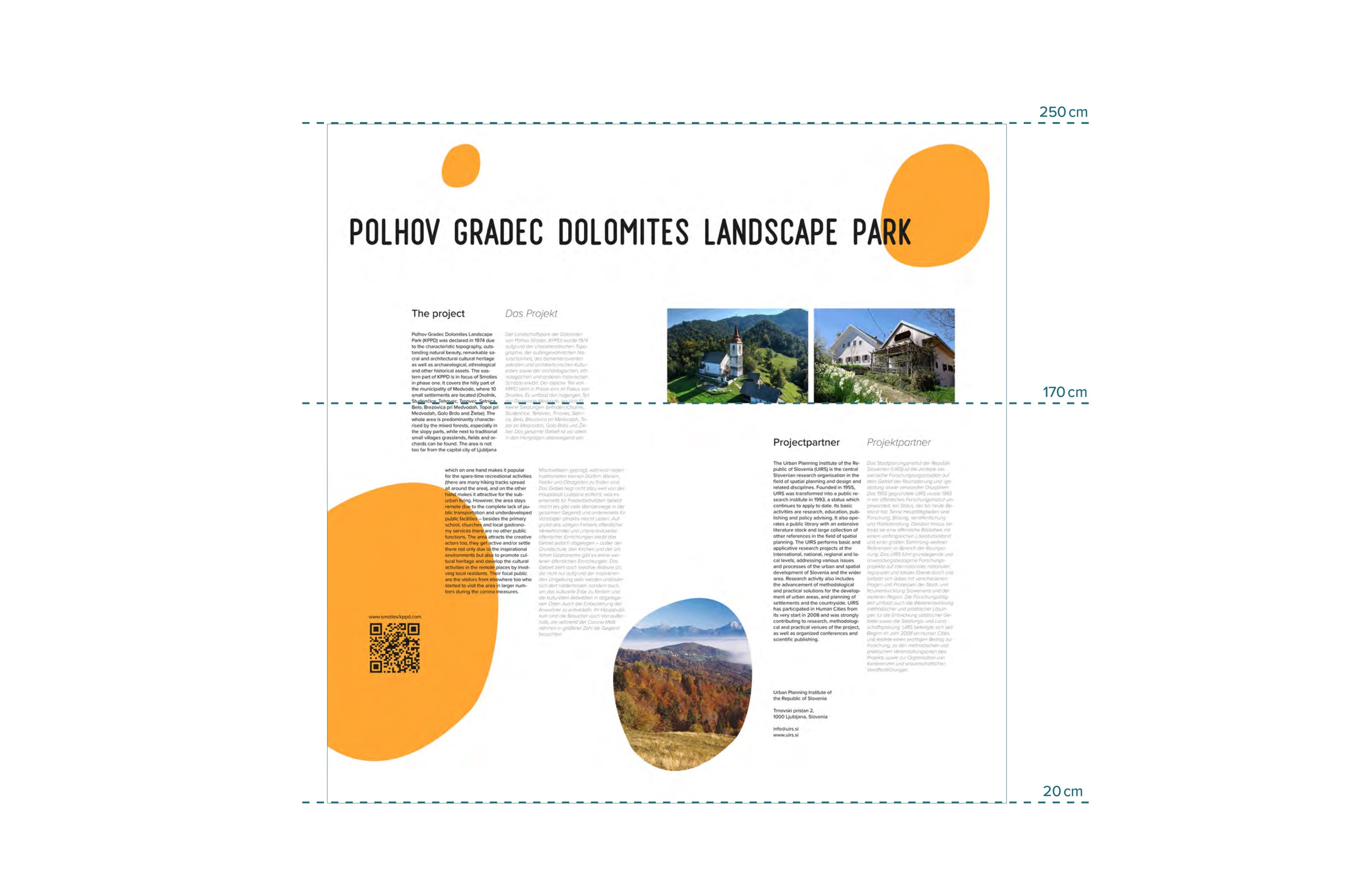
The exhibition presents the results of the four-year collaboration of “Human Cities” for the project “SMOTIES – Small and Remote Places.” For this project, ten small, remote European locations were selected that are strongly affected by rural depopulation. The selection criterion was their particular significance as custodians of tangible and intangible culture, which, due to ongoing loss, risk being undervalued, not consolidated, or not passed on—and thus lost forever. The goal is to enhance these remote areas and develop them into contemporary, livable places through joint cultural and creative activities with local residents.
Concept
Smoties Village
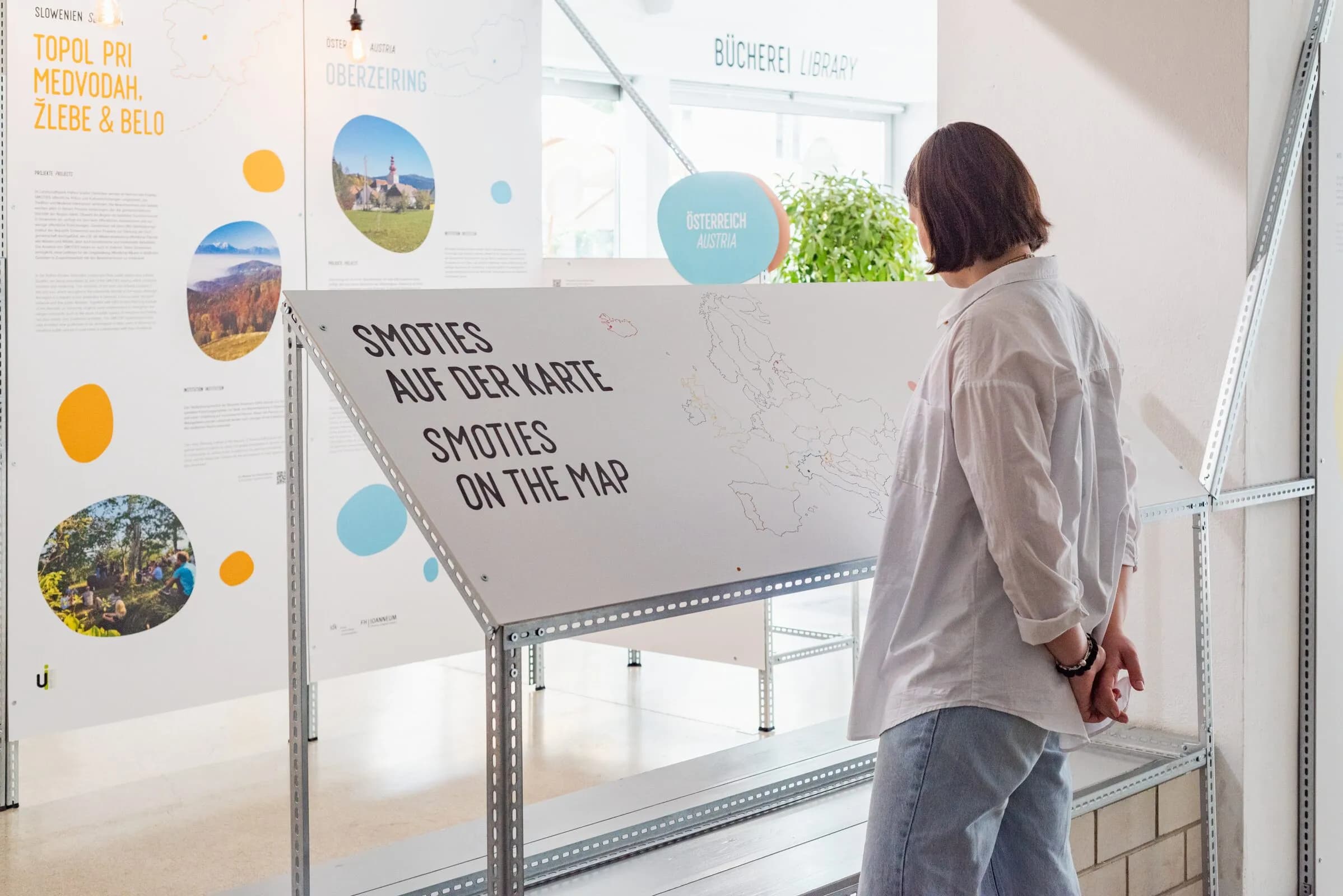
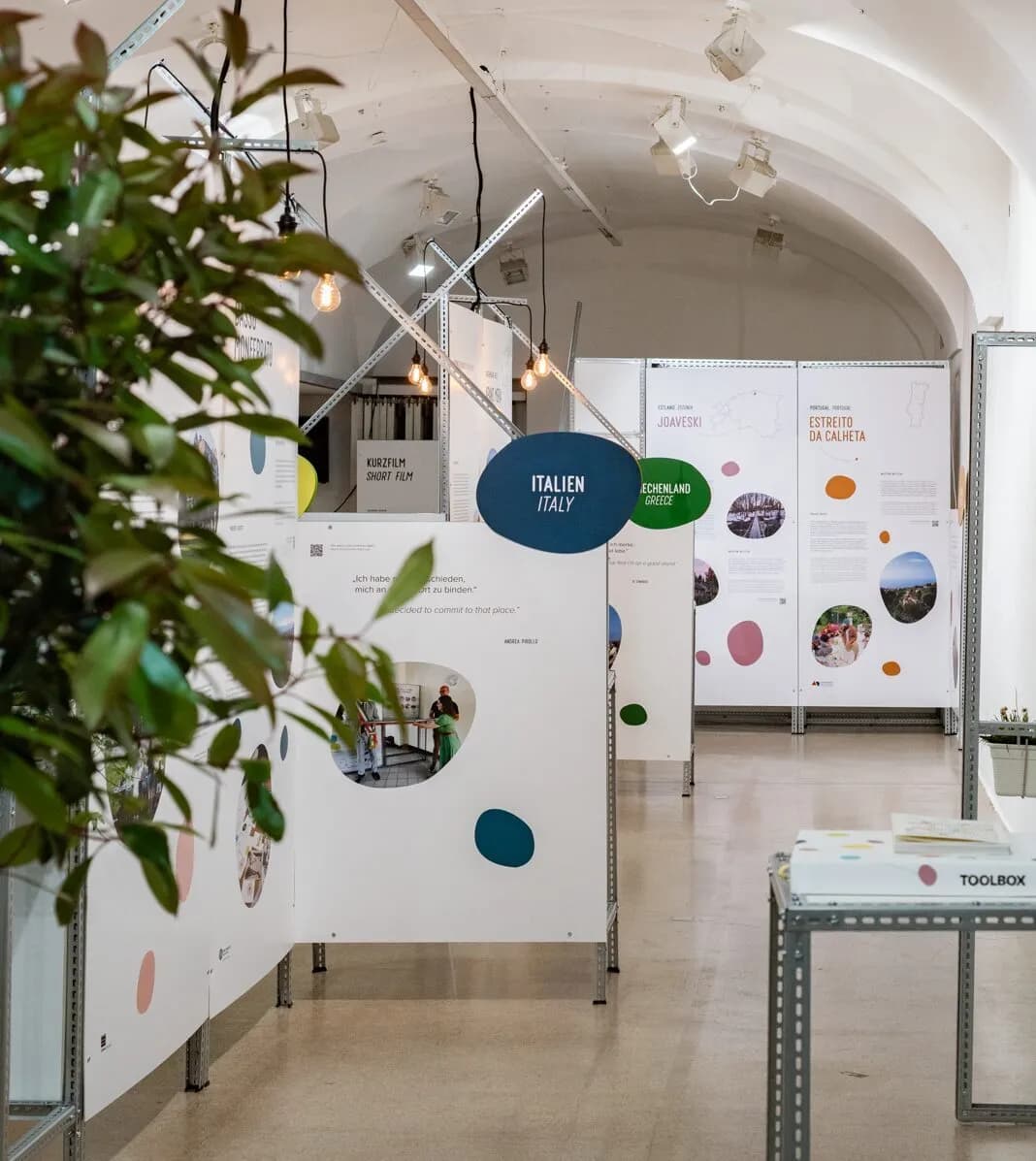
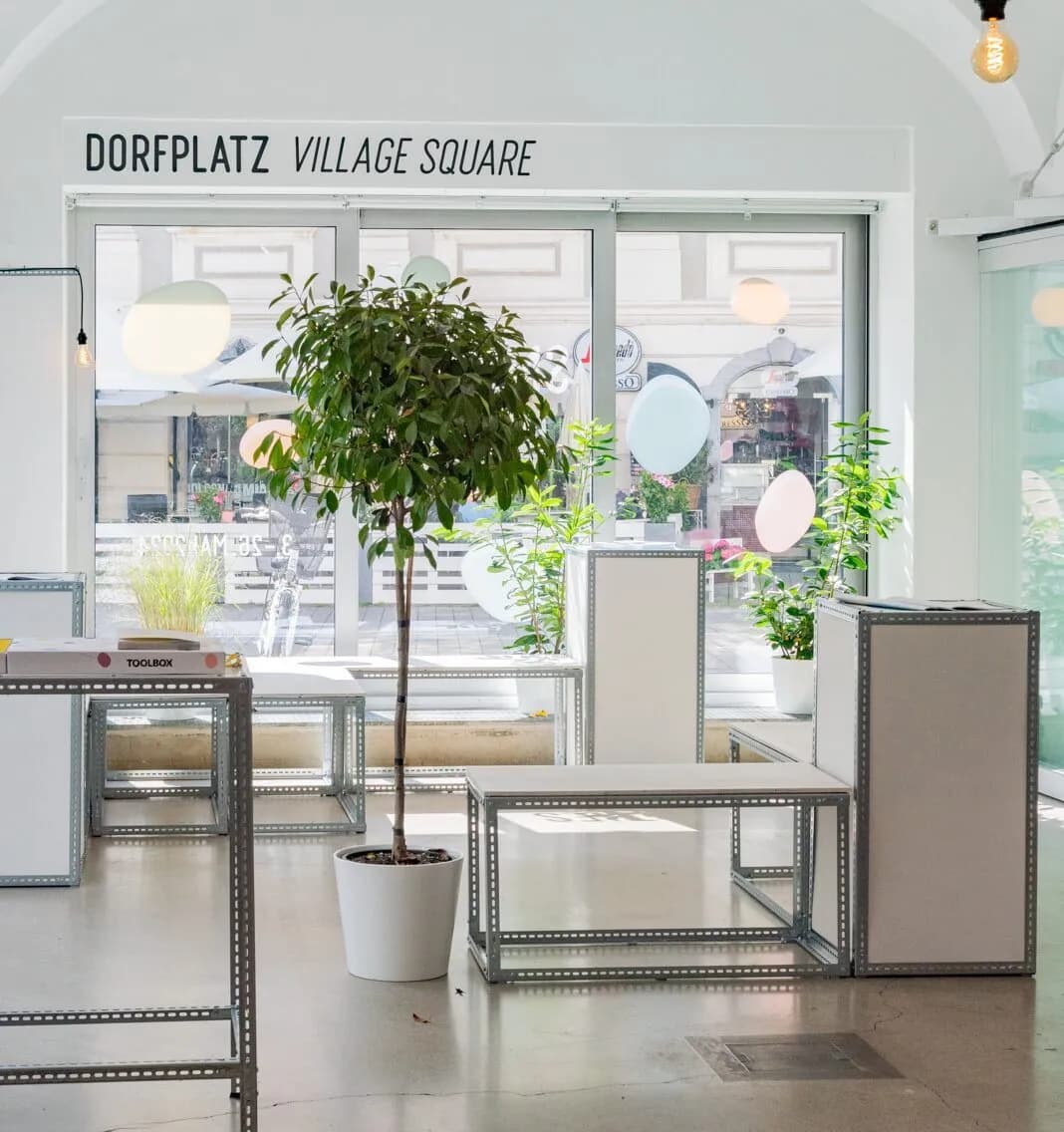
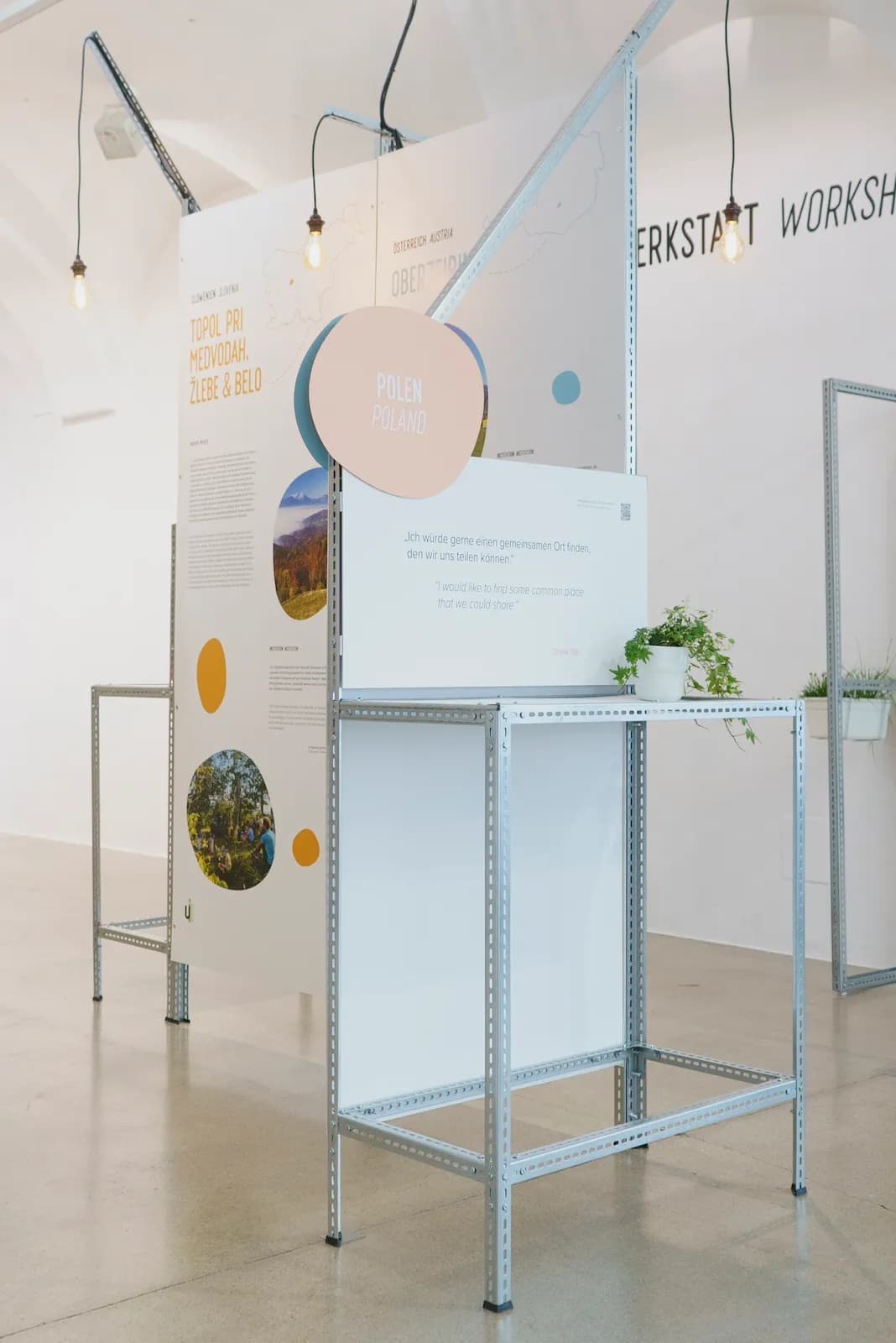
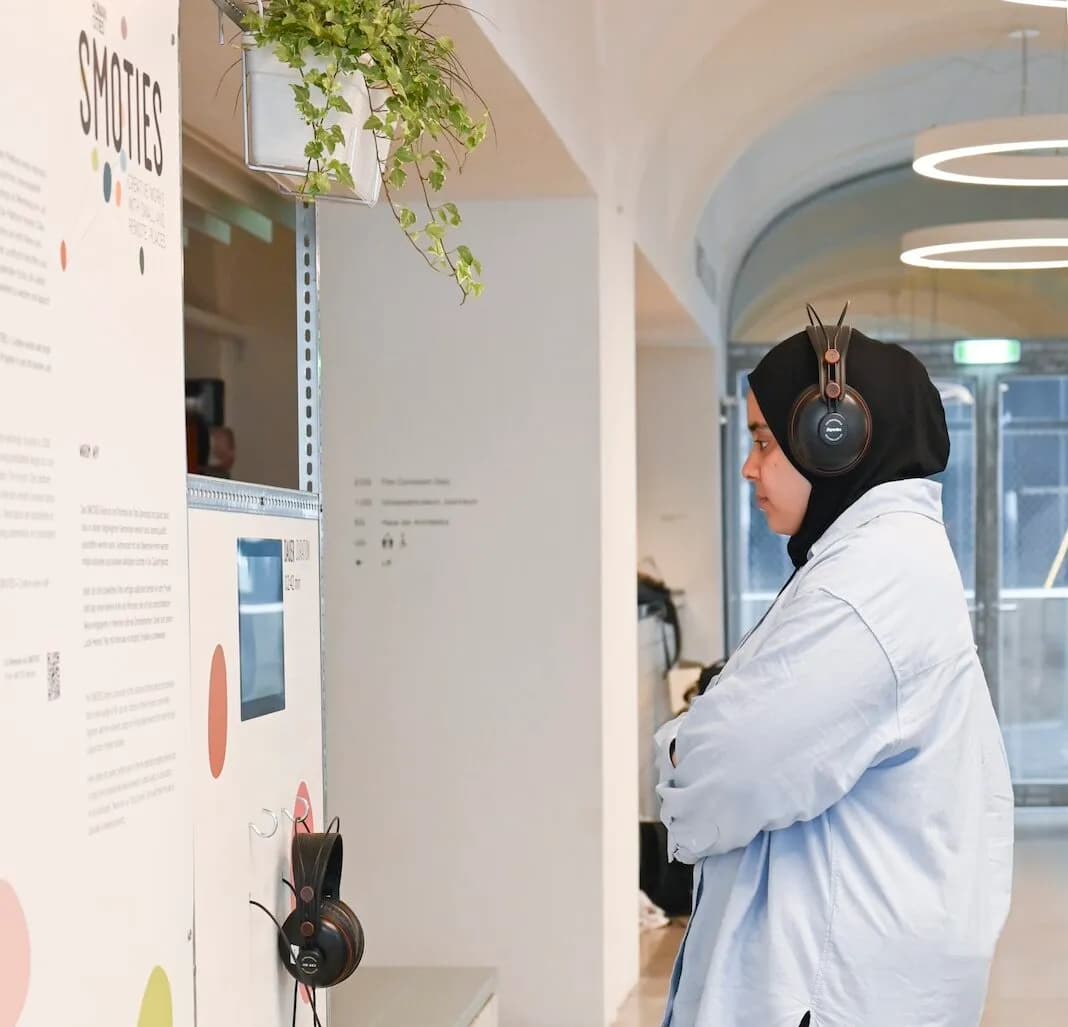
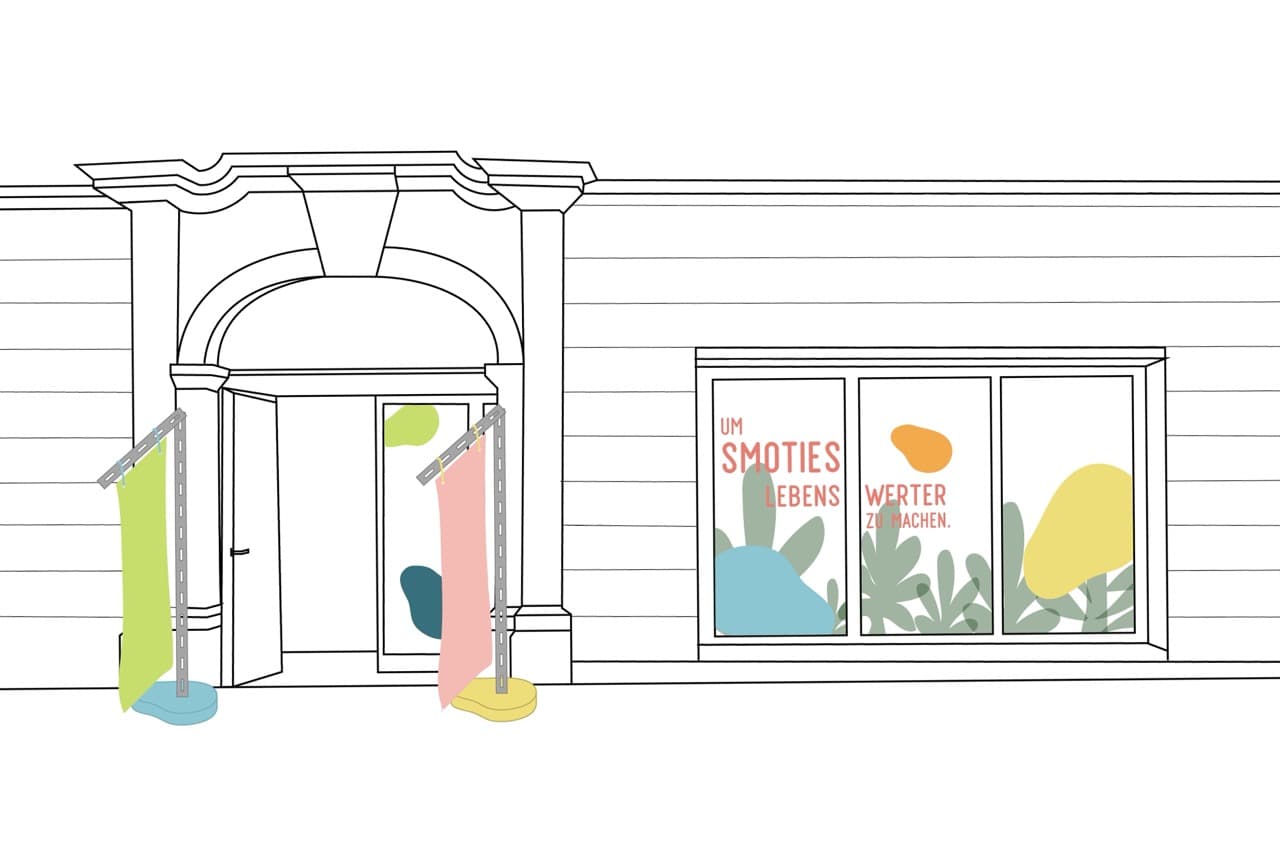
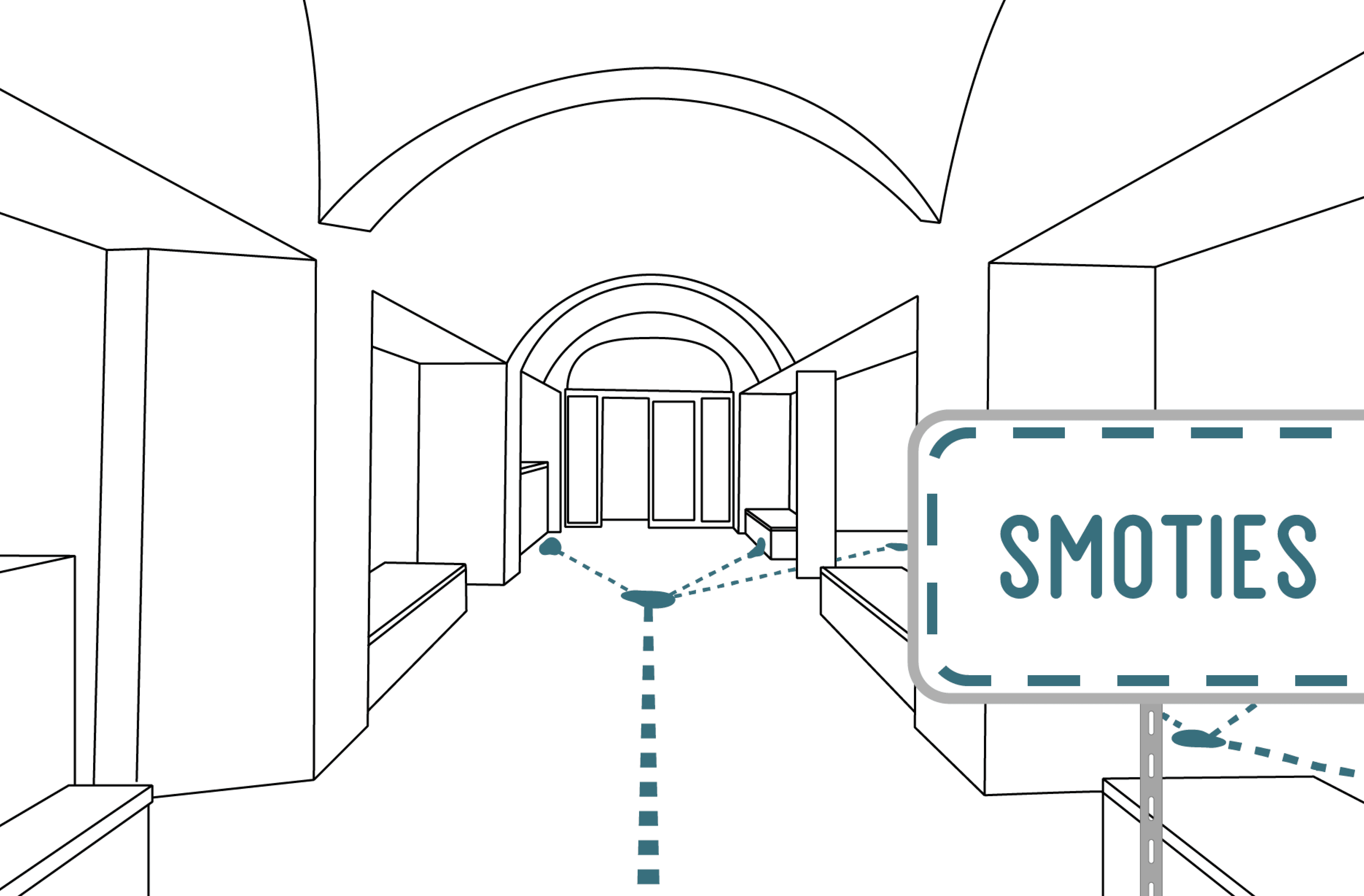
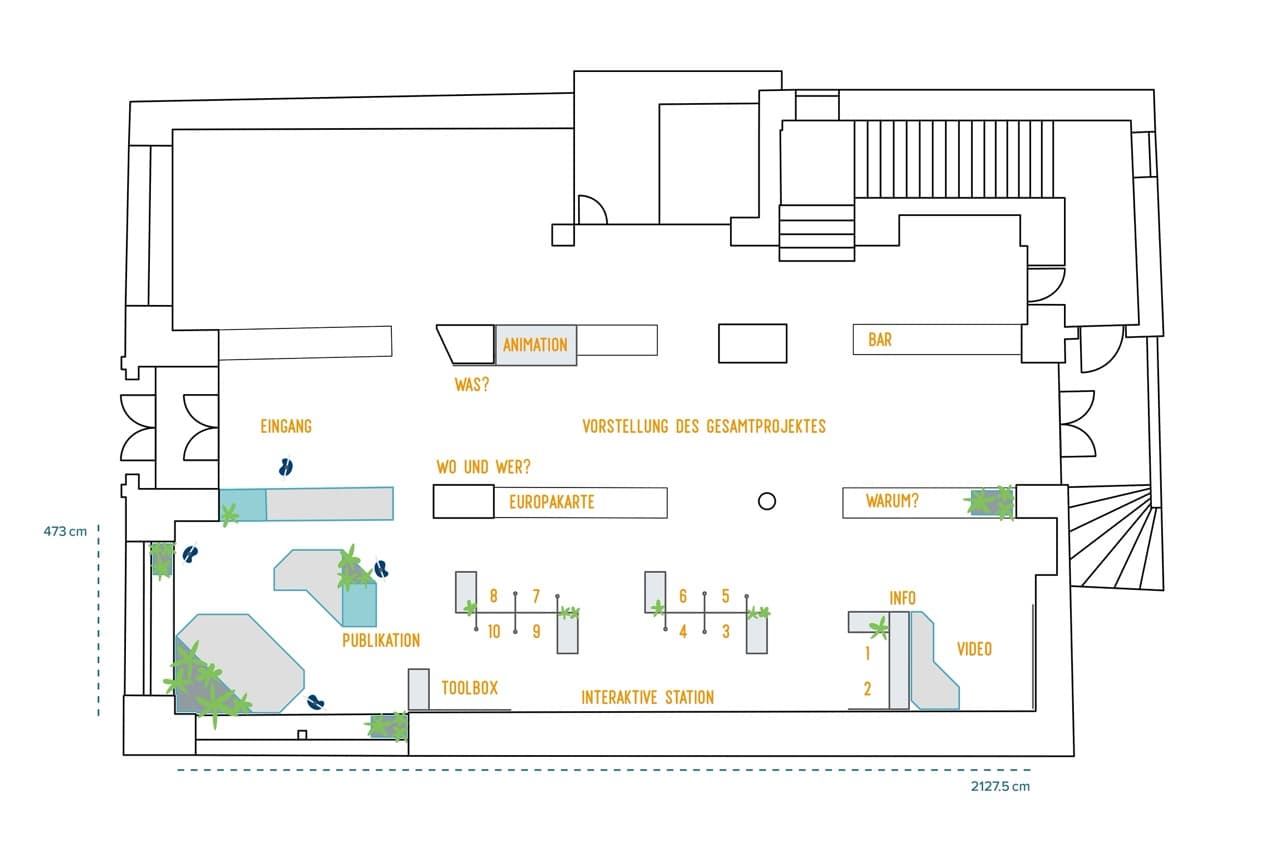
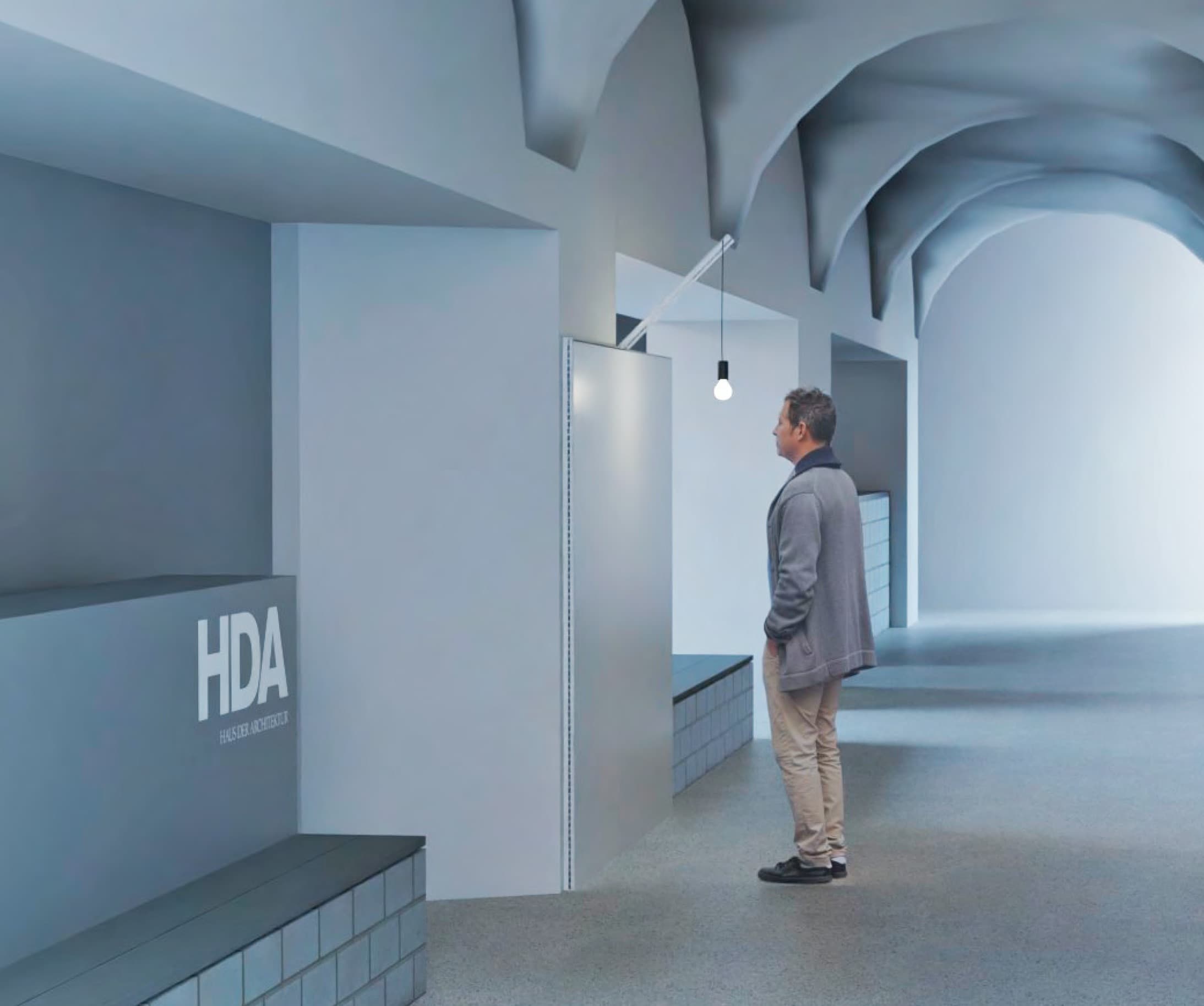
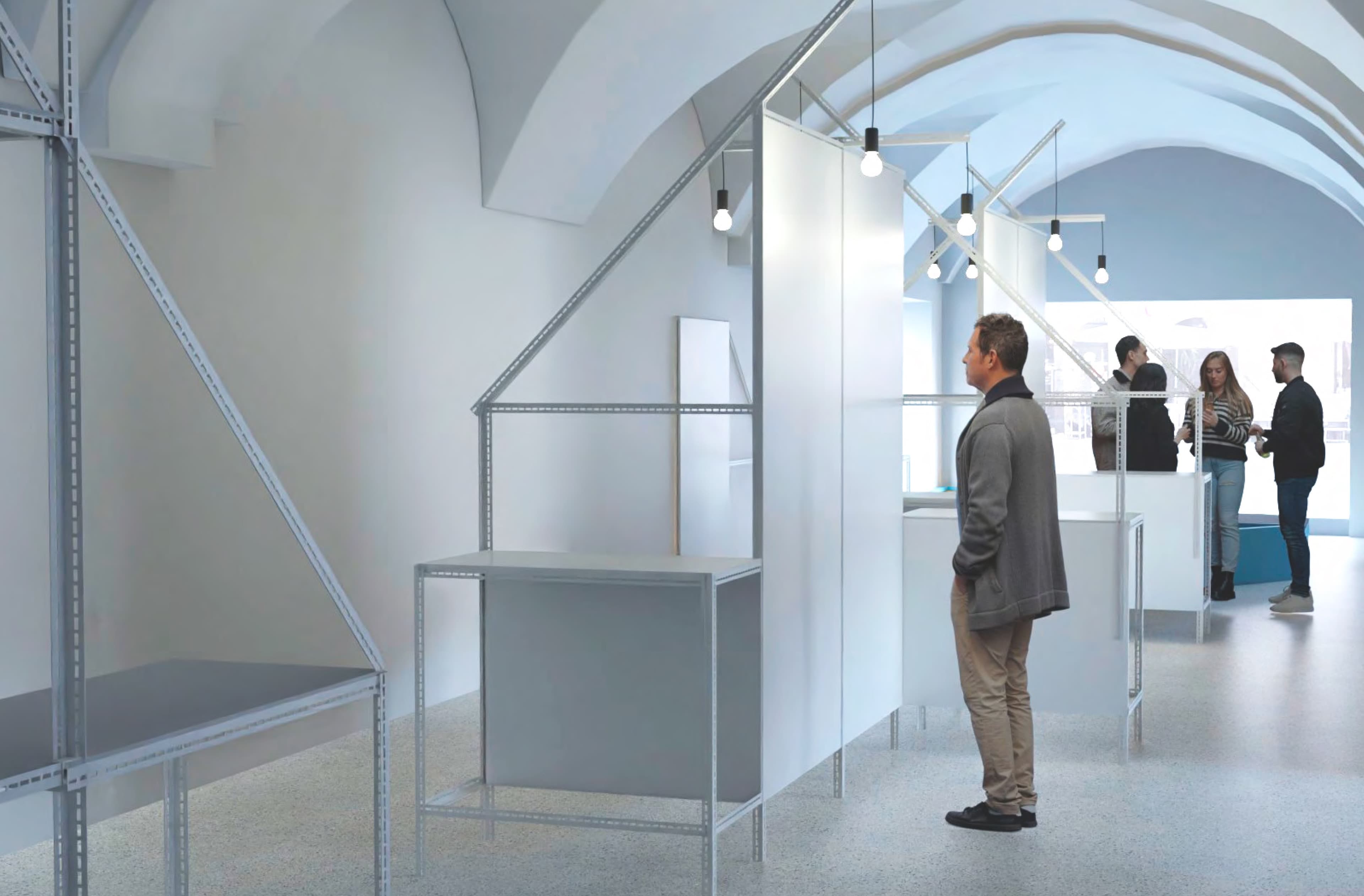
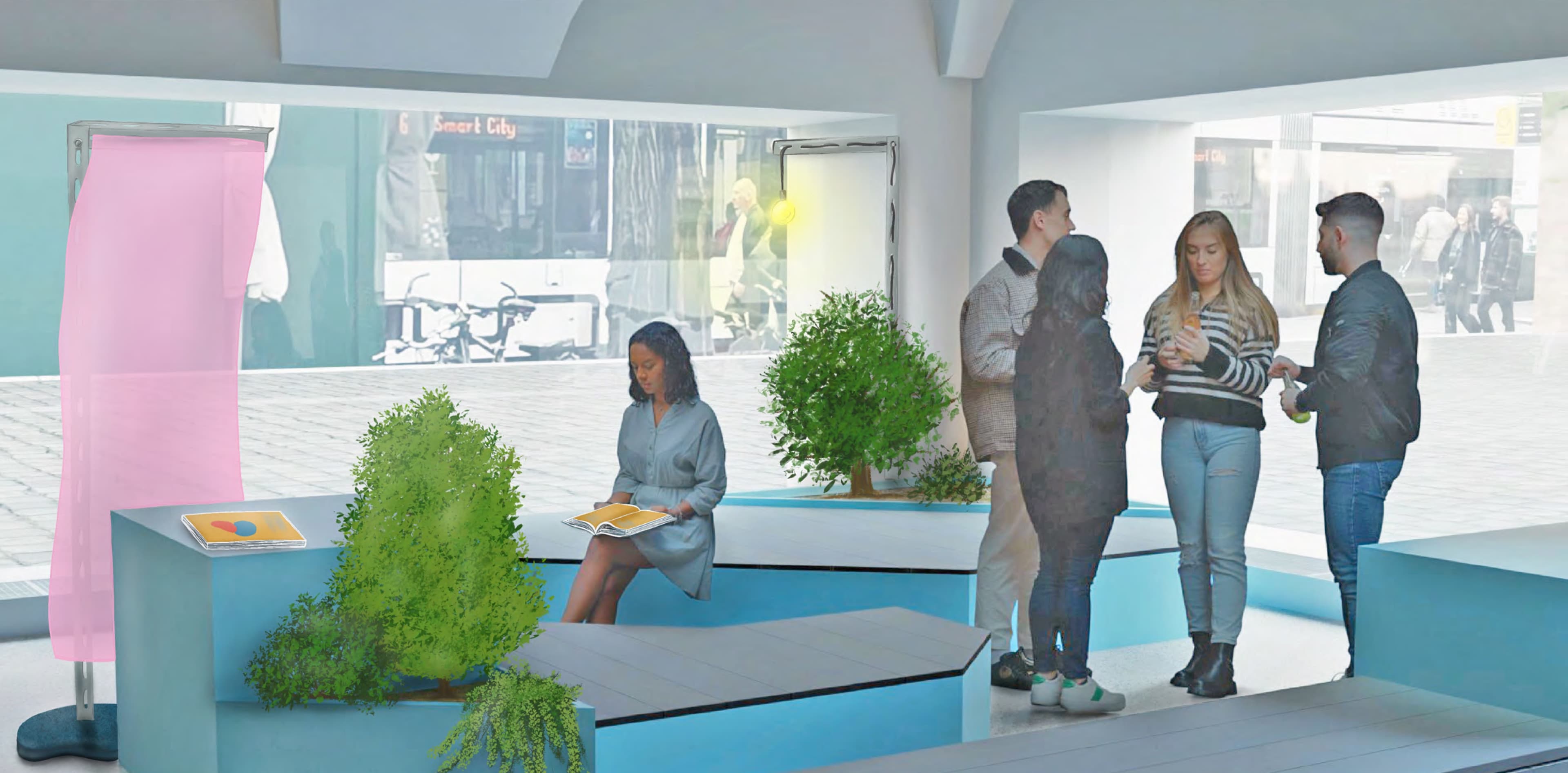
The exhibition unfolds as an immersive journey through a fictional village, inviting visitors to discover the project by moving through a sequence of familiar communal spaces. Upon entering the HDA, visitors are welcomed into an introductory area that serves as the exhibition's starting point. From there, the route leads past a petrol station toward the rear of the village, where the experience begins in a cinema featuring a documentary that introduces the project's themes and context. Continuing along the village streets, visitors encounter a series of house façades and public spaces presenting the different rural projects. Architectural details such as balconies filled with greenery and suspended lanterns reinforce the atmosphere of a lived-in village environment and guide visitors through the exhibition. The journey concludes in a workshop area, where the project's toolbox is presented as one of its central outcomes, offering practical insights and methods developed throughout the process. At the heart of the exhibition lies the village square, serving as the central meeting point and highlighting the connection to the Austrian project in Oberzeiring. Adjacent to the square, a reading area provides a selection of publications and materials for those wishing to explore the project's background and findings in greater depth.
3D Modelling
Team Work
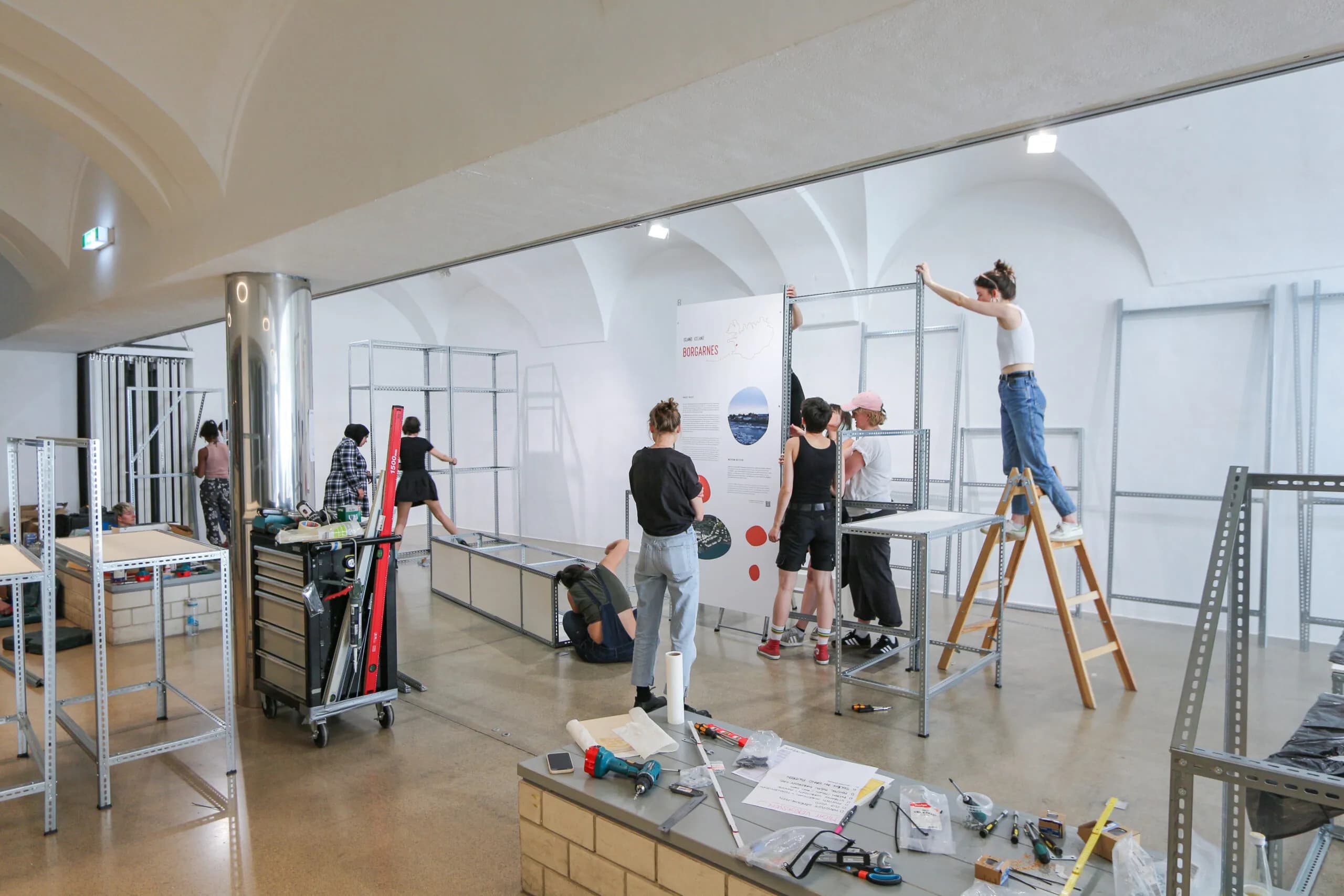
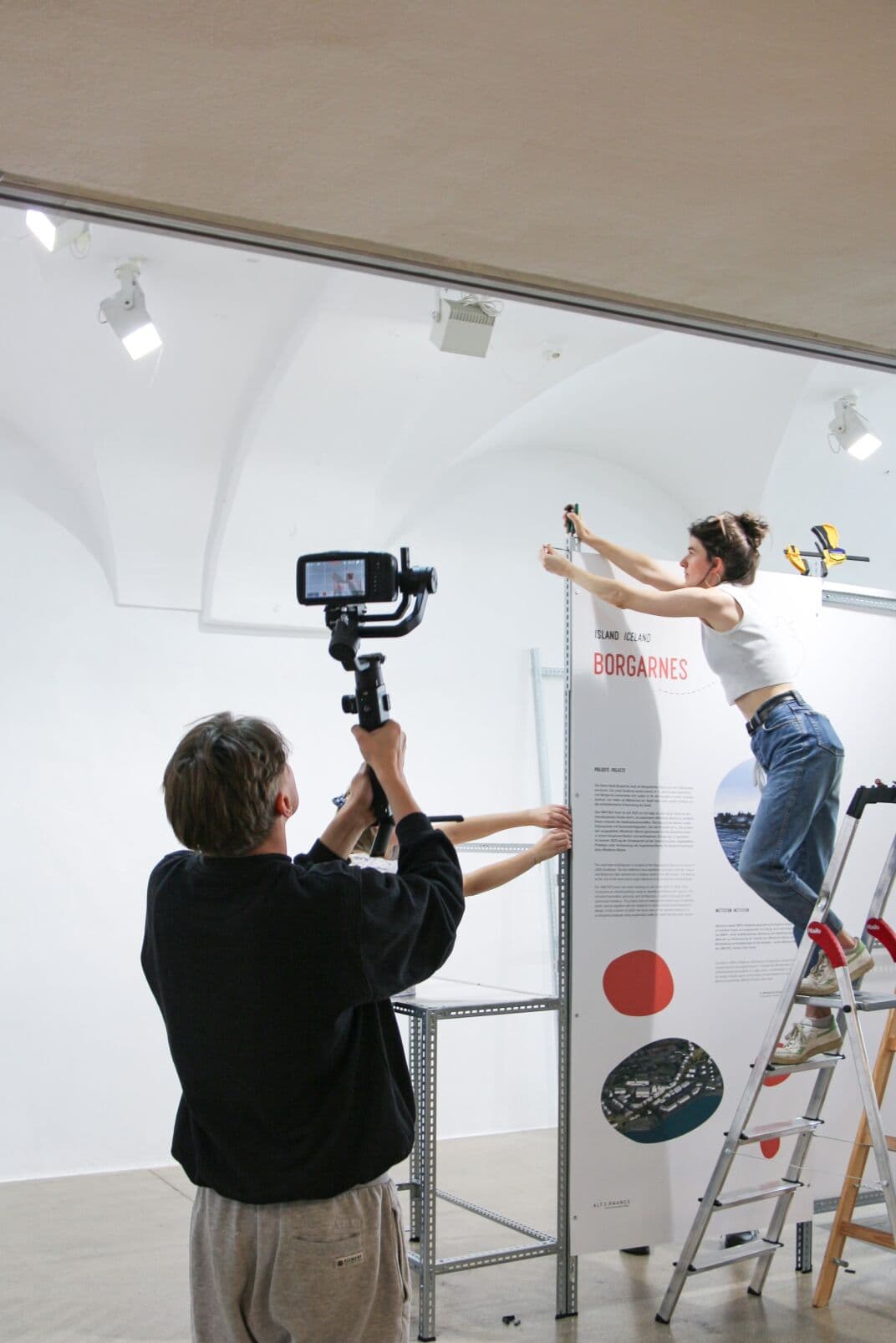
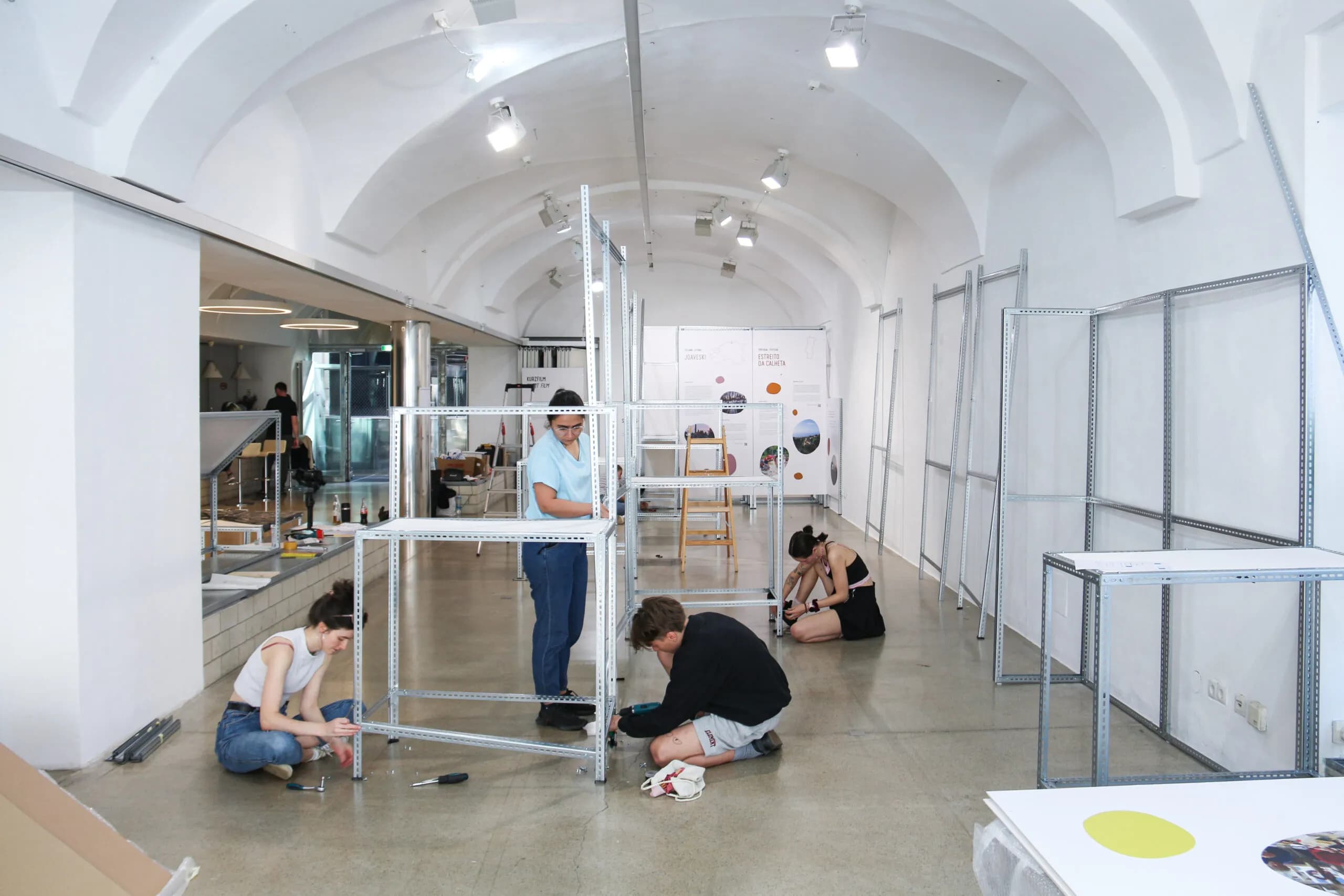
Exhibition setup
Result